Desert Safari Dubai What to Expect: A First-Timer's Practical Guide
Desert safari dubai what to expect comes down to one core loop: a hotel pickup, a drive into the dunes, a stretch of dune bashing, and an evening at a desert camp with food, entertainment, and a few optional activities. Most visitors book an evening safari because it fits neatly into a single afternoon and night, but morning and overnight versions exist for people who want a different pace.
Desert Safari Dubai What to Expect: The Short Answer
A standard evening safari runs roughly six hours door to door. You'll be picked up from your hotel in Dubai or Sharjah between 2:30 and 3:30 pm, drive 45 to 60 minutes to the meeting point near the dunes, and spend about 20 to 30 minutes on the dune bashing segment. After that comes the camp: camel rides, sandboarding, henna, a barbecue dinner, and a short show with tanoura and fire performances. You're back at your hotel around 9:30 pm, sometimes a little later if traffic is heavy.
What surprises most first-timers is how much of the experience is social rather than extreme. The dune bashing is genuinely bumpy, but it's a controlled ride in a modified 4x4 with a trained driver, not an off-road race. The camp portion is relaxed, with low tables and cushions, and the food is simple but filling. If you're weighing an Evening Desert Safari Dubai | AED 89 against a longer option, the core flow is the same; only the timing and a few extras change.
Plan for the heat, even in cooler months. The desert drops temperature fast after sunset, so a light jacket helps. And bring cash for small purchases at the camp, since card machines are not always reliable out there.
Key Takeaways
- A desert safari in Dubai starts with hotel pickup, a short drive to the dunes, and a safety briefing before any driving begins.
- Dune bashing is the most intense part of the day. Tell your guide if you get motion sick, and skip it if you're pregnant or have back problems.
- Most evening safaris include a buffet dinner, live shows, henna, and a camel ride. Quad biking and dune buggies usually cost extra.
- Wear closed shoes, loose clothes, and bring a light jacket. Sand gets everywhere, and desert nights cool down fast after sunset.
- Book through a licensed operator like Sahara Dune Adventures so pickup times, inclusions, and cancellation terms are clear before you pay.
How a Typical Dubai Desert Safari Is Structured
Most evening safaris follow a sequence that has stayed consistent for years because it works. You get picked up, you drive out, you ride the dunes, you eat, you come back. The details between those beats are what make the experience feel full or rushed, so it helps to know the rhythm before you book.
Hotel pickup usually lands between 3:00 and 3:30 pm for an evening safari. A shared 4x4 Land Cruiser collects a few guests from different hotels, so your actual departure time can shift by twenty minutes either way. The drive from central Dubai to the Lahbab desert entry point takes roughly 45 to 60 minutes. The last stretch is a short stop at a tire deflation point, where drivers lower the pressure to around 15 psi before entering the sand.
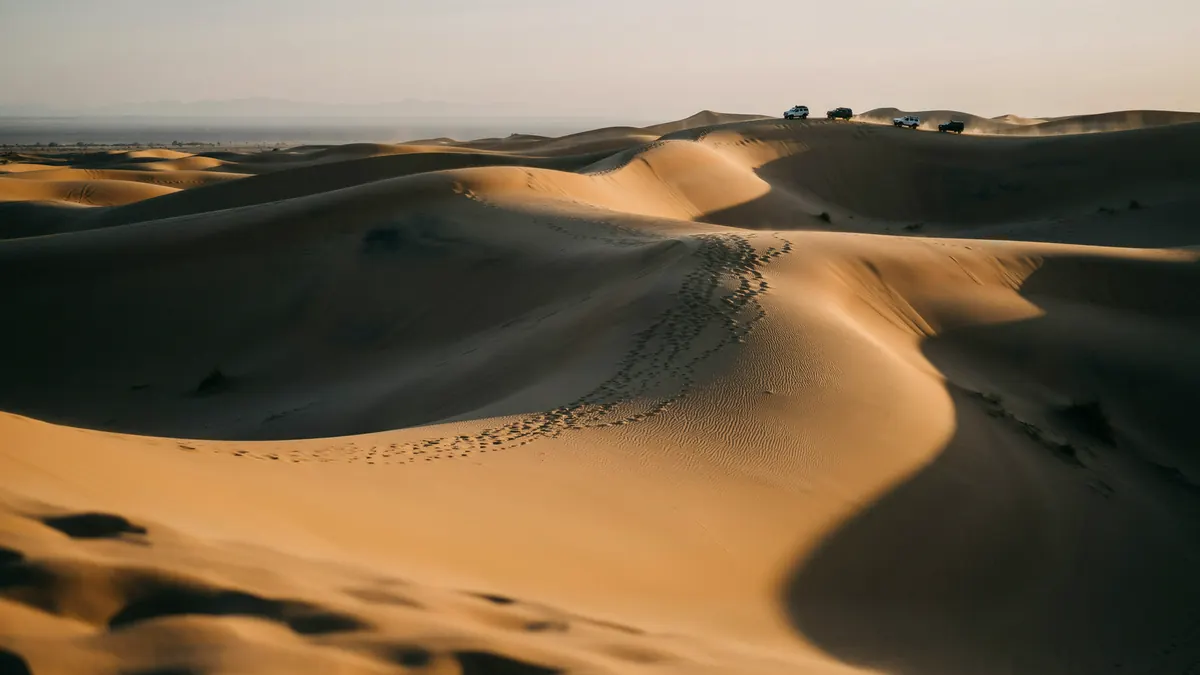
Dune bashing runs for 20 to 30 minutes. The driver takes the vehicle over a series of red dunes, accelerating up slopes and sliding down the far side. It feels like a controlled roller coaster, and the driver adjusts intensity based on the group. After the bashing, the convoy pauses at a high dune for a 15 to 20 minute photo stop. This is the golden hour window, and it is the best light you will get all day.
From there you drive another 10 to 15 minutes to the camp. Camp arrival is typically between 5:30 and 6:00 pm, just as the sun drops. The next two hours are unstructured. You can ride a camel, try sandboarding, get a henna design, hold a falcon, or just sit with mint tea. A Morning vs Evening vs VIP Safari comparison helps here, because the camp flow changes a lot depending on which slot you pick.
Dinner opens around 7:00 pm as a buffet, with grilled meats, rice, salads, and desserts. The belly dance and Tanoura performances usually start between 7:30 and 8:00 pm, sometimes after the meal, sometimes during. By 8:30 or 9:00 pm the guides start rounding people up for the return drive. You are back at your hotel between 9:30 and 10:00 pm, tired and covered in a fine layer of sand.
That is the standard shape. Morning safaris compress the same beats into four hours and skip dinner entirely. Overnight trips add a campfire, stargazing, and a sleeping bag in a tent after the evening program ends.
Pickup, Timing, and What Happens Before the Dunes
Most Evening Desert Safari Dubai | AED 89 bookings include hotel pickup from central Dubai and Sharjah, usually in a shared 4x4 Land Cruiser. You'll get a confirmation message the night before with a pickup window, often between 2:30 and 3:30 pm for evening departures and around 7:30 to 8:00 am for morning runs. The driver will call or text when they're a few minutes from your hotel, so keep your phone handy and be in the lobby about ten minutes early.
The drive out to the Lahbab or Al Awir desert entry point takes roughly 45 to 60 minutes depending on traffic. It's not a scenic tour yet, mostly highway and industrial outskirts, but it's a good time to ask the guide questions about the route or the camp. Some operators stop at a small rest area for a bathroom break and to let drivers deflate tires before hitting the sand. That stop usually lasts 10 to 15 minutes.
If you booked a Private Desert Safari Dubai | AED 299, the pickup window is tighter and the vehicle is yours alone, which means no extra hotel stops along the way. Shared safaris can add 20 to 30 minutes of pickup time as the driver collects other guests. Either way, the actual dune entry happens around 45 to 90 minutes after you leave your hotel.
For a Morning Desert Safari Dubai | AED 110, you'll be back in the city before noon, so the pre-dune drive feels quicker and cooler. Evening guests should expect the return trip after dinner, usually arriving back at the hotel between 9:30 and 10:30 pm. Bring a light layer for the air-conditioned vehicle, because the contrast between hotel lobby, car, and desert heat can be sharp.
Dune Bashing: What It Actually Feels Like
Dune bashing is the part of a desert safari in Dubai that most people ask about before booking, and for good reason. You sit in a modified 4x4, usually a Toyota Land Cruiser, with a roll cage and extra suspension travel. The driver deflates the tires to about 15 psi before heading into the sand, which gives the vehicle more grip on soft dunes. Then the real ride begins.
It feels like a roller coaster that follows the shape of the land instead of a fixed track. The driver accelerates up a dune face, crests the top, and lets the vehicle slide sideways down the back slope. Your stomach drops on the descents. Sand sprays past the windows. The car tilts at angles that feel steeper than they look from outside. Most drivers read the group and adjust intensity, so a family with young kids gets a gentler run than a group of friends who ask for the aggressive route.
If this is your first time on a desert safari, take the front passenger seat and keep your eyes on the horizon. Looking down at your phone or at the floor makes motion sickness worse. The middle row bounces less than the back row, and the back row swings the most on turns. Tell the driver before you leave the meeting point if you get carsick easily. A good driver will take a flatter line, avoid sharp cresting, and pause for air if you need it. Taking a motion sickness tablet 30 to 45 minutes before pickup helps many people, but it can make you drowsy, so weigh that against the rest of the evening.
The ride usually lasts 20 to 30 minutes, split into two or three short sessions with photo stops on high dunes. That pacing is deliberate. It gives your stomach time to settle and gives you a chance to watch other vehicles from a distance, which puts the speed and angle into perspective. By the end, most first-timers are surprised at how controlled the whole thing feels, even when the car is sliding sideways down a dune.
Desert Safari Activities at the Camp
Once the dune bashing ends and the 4x4 rolls into the camp, the pace changes completely. The engine noise fades, the sand settles, and a low sprawl of carpets, cushions, and lanterns takes over. Most camps in Dubai and Sharjah follow a similar layout, with activity stations arranged around a central seating area. You won't have to hunt for things to do. Staff usually point you toward each station as you arrive, and the next hour or two are yours to wander.
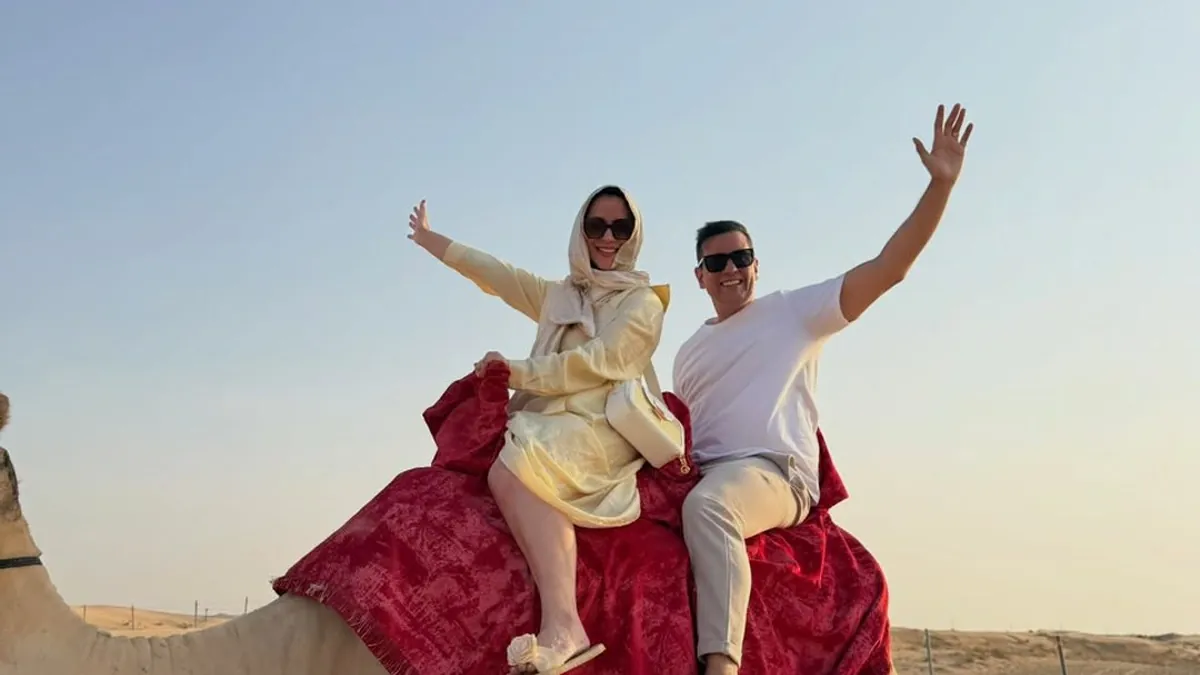
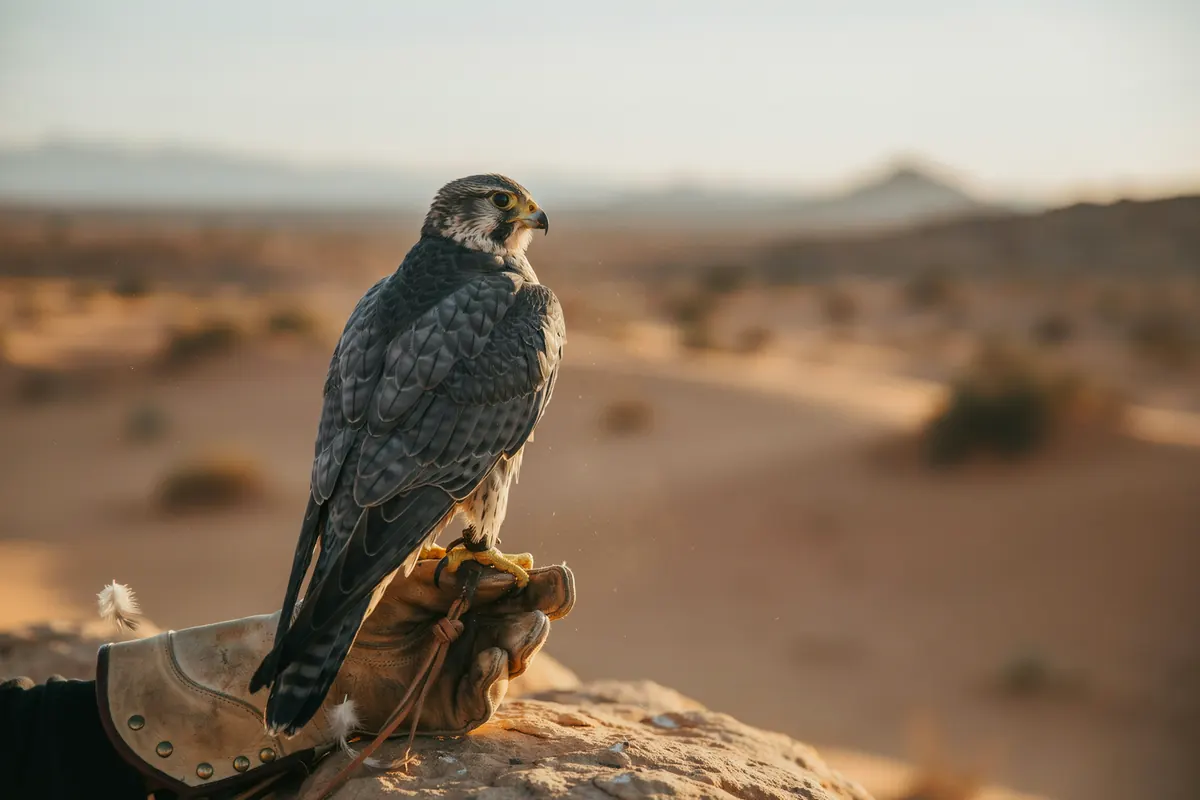
Camel rides are the classic opener. They're short, often five to ten minutes, and they follow a set loop near the camp perimeter. The camel handler will help you mount and dismount, and you'll get a photo if you hand over your phone. Sandboarding comes next for most people. You climb a small dune, strap a board to your feet or sit on it, and slide down. It's less technical than snowboarding, and falling is soft. Henna artists work from a shaded corner, painting simple floral patterns on hands or arms. The paste dries in about twenty minutes and leaves a stain that lasts a week or so. Falcon photos are another staple. A handler brings out a trained falcon, places it on your gloved arm, and takes a picture. The birds are calm and used to people, but keep your free hand still.
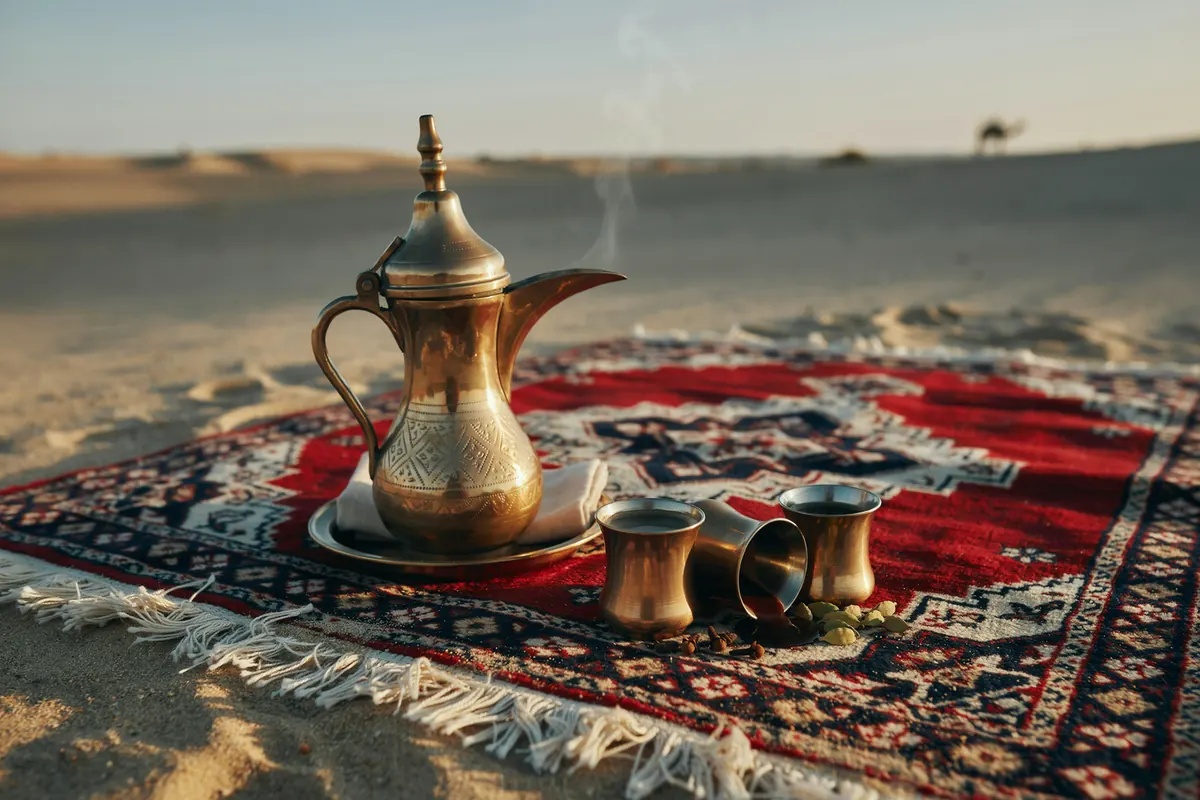
Shisha is served in a separate seating area, usually after sunset. The flavors are standard: mint, apple, grape, and sometimes a mixed fruit. If you don't smoke, you can still sit in the area and take in the atmosphere. Tea and Arabic coffee circulate throughout the evening, and the coffee is often poured from a traditional dallah pot into small handleless cups.
What's included and what costs extra varies by operator. At Sahara Dune Adventures, the standard Evening Desert Safari Dubai | AED 89 package covers camel rides, sandboarding, henna, falcon photos, and shisha. Some camps charge separately for falcon photos or longer camel treks, so check the inclusions before you book. The VIP Red Dune Safari Dubai | AED 150 option usually adds a longer dune drive and a more private camp setup, but the core camp activities stay the same.
One thing first-timers miss: the camp is not a theme park. Activities run on a loose schedule, and you'll share the space with other groups. That's part of the appeal. You're not rushing between rides; you're sitting on a cushion, watching the light change, and drifting between stations as the mood takes you. If you want a quieter version of the same experience, the Private Desert Safari Dubai | AED 299 package gives you a dedicated camp area and a more relaxed pace.
Food and Drink: What's Served and When
Most evening safaris serve a buffet dinner at the camp, usually around 7:30 to 8:30 pm, after the dune bashing and camel rides wind down. You'll find grilled chicken, lamb kebabs, rice dishes like biryani, hummus, fattoush, and fresh Arabic bread. Vegetarian options are standard: lentil soup, grilled vegetables, pasta, salads, and sometimes falafel. If you have a serious allergy or a strict vegan diet, tell the booking team in advance so the kitchen can set something aside.
Drinks work on a simple system. Water and soft drinks are unlimited and included in your ticket. Arabic coffee (gahwa) and dates are served as a welcome, and tea is available throughout the evening. Alcohol is not served at most desert camps, including the ones Sahara Dune Adventures works with, so plan for a dry evening unless your package specifically says otherwise. You can bring your own water bottle, but the camp will keep you refilled.
Morning safaris are lighter. A typical Morning Desert Safari Dubai | AED 110 includes a simple breakfast box or light refreshments after the dune drive, not a full buffet. Think juice, fruit, pastries, and coffee. If you book a private or VIP safari, the food spread is often upgraded, with more grilled items and a dedicated seating area.
Timing matters more than people expect. Dinner is served after sunset, so you'll have about an hour of camp activities first: henna, shisha, falcon photos, and a short cultural show. Eat when the buffet opens, not at the end, because the return transfer usually leaves around 9:30 pm. The food is good, but the real highlight is eating outside under the desert sky while the temperature finally drops.
What to Wear and Bring for a Dubai Desert Safari
Sand gets everywhere. It finds its way into shoes, phone ports, and camera lenses faster than you'd think. The right clothing and a small packing list solve most of it.
Loose, breathable layers work best. A light long-sleeve shirt or a thin cotton top keeps the sun off your arms without trapping heat. Linen trousers or loose cargo pants beat shorts once the sun drops, because desert evenings cool down quickly between November and March. Avoid anything tight or synthetic that rubs when you climb in and out of the 4x4.
Footwear matters more than most first-timers expect. Closed shoes with a bit of grip, like trainers or light hiking shoes, handle the sand better than flip-flops. You will step out onto soft dunes at the photo stops, and sandals fill with hot sand within seconds. If you plan to try sandboarding, socks help. Some guests bring a cheap pair of slip-on shoes just for the camp, then shake them out before the drive back.
Bring a small daypack with these essentials: sunglasses, a refillable water bottle, a light scarf or buff to cover your mouth during windy stretches, and a power bank for your phone. A zip-lock bag is the cheapest camera protection you can get. Keep your phone or compact camera inside it when you are not shooting, and wipe the lens with a dry cloth before each shot. Fine dust is the real enemy, not the heat.
If you are booked on an Overnight Desert Camping Dubai | AED 499 trip, add a warmer layer. Temperatures after midnight can feel cold even in spring, and the camp bedding is basic. A light fleece or hoodie is enough for most nights.
Morning vs Evening vs Overnight: Choosing Your Safari
Your schedule decides most of this for you, and that's a good thing. If you land in Dubai at noon and have a 7 a.m. flight the next day, the evening safari is the only one that fits. If you're in town for a week, you can be pickier. The real question is what you want the desert to feel like: a quick thrill before lunch, a golden-hour spectacle with dinner, or a full night under the stars.
A morning safari usually starts with pickup around 7:30 or 8 a.m. and gets you back to your hotel by noon. The sand is cooler, the light is soft, and the dunes are emptier. You'll get dune bashing, sandboarding, and a short camel ride, but no dinner and no belly-dance show. It's the cheapest option and the best choice for families with young kids or anyone who wants to be back before the heat peaks. The Morning Desert Safari Dubai | AED 110 is a good reference point for what this format includes.
The evening safari is the classic dubai desert safari experience. Pickup is usually between 3 and 4 p.m. and you stay until 9 or 9:30 p.m. You get the same dune bashing and sandboarding, plus sunset photos on the red dunes, a barbecue dinner, henna, shisha, and the live entertainment. It's the busiest option, so expect more people at the camp. If you want the full cultural evening with food and shows, this is the one. Compare it with the Evening Desert Safari Dubai | AED 89 to see what the standard package covers.
Overnight camping extends the evening safari into the next morning. You sleep in a tent or under the open sky, wake up to a simple breakfast, and return to the city by 8 or 9 a.m. It's quieter, cooler, and gives you the desert at its most peaceful. The Overnight Desert Camping Dubai | AED 499 package shows what a typical overnight setup includes. This format suits couples, photographers, and anyone who wants more than a few hours on the sand.
If you're still torn, think about food and energy. Morning safaris skip dinner entirely. Evening safaris feed you well but end late. Overnight trips give you both dinner and breakfast but eat up a full evening plus a morning. Price follows the same pattern: morning is cheapest, evening is mid-range, overnight is the most expensive because of the camping setup and extra meals.
For a first time desert safari, the evening option is the safest default. You get the complete package in one visit, and you're back at your hotel before midnight. If you've done an evening safari before and want something different, try the morning for the light or the overnight for the quiet. Sahara Dune Adventures runs all three formats, so you can match the timing to your itinerary rather than forcing your itinerary around a single option.
Costs, Inclusions, and What's Not Included
Budgeting for a desert safari in Dubai starts with knowing that most packages fall between AED 89 and AED 499 per person, depending on the time of day and the level of privacy you want. The base evening safari from Sahara Dune Adventures runs at AED 89, which covers hotel pickup and drop-off, dune bashing in a shared 4x4, sandboarding, a camel ride, henna, and the barbecue buffet with live entertainment. A morning safari costs AED 110 and swaps the dinner show for a lighter breakfast and cooler dunes, while the Private Desert Safari Dubai | AED 299 gives you the vehicle to yourself and lets you set the pace.
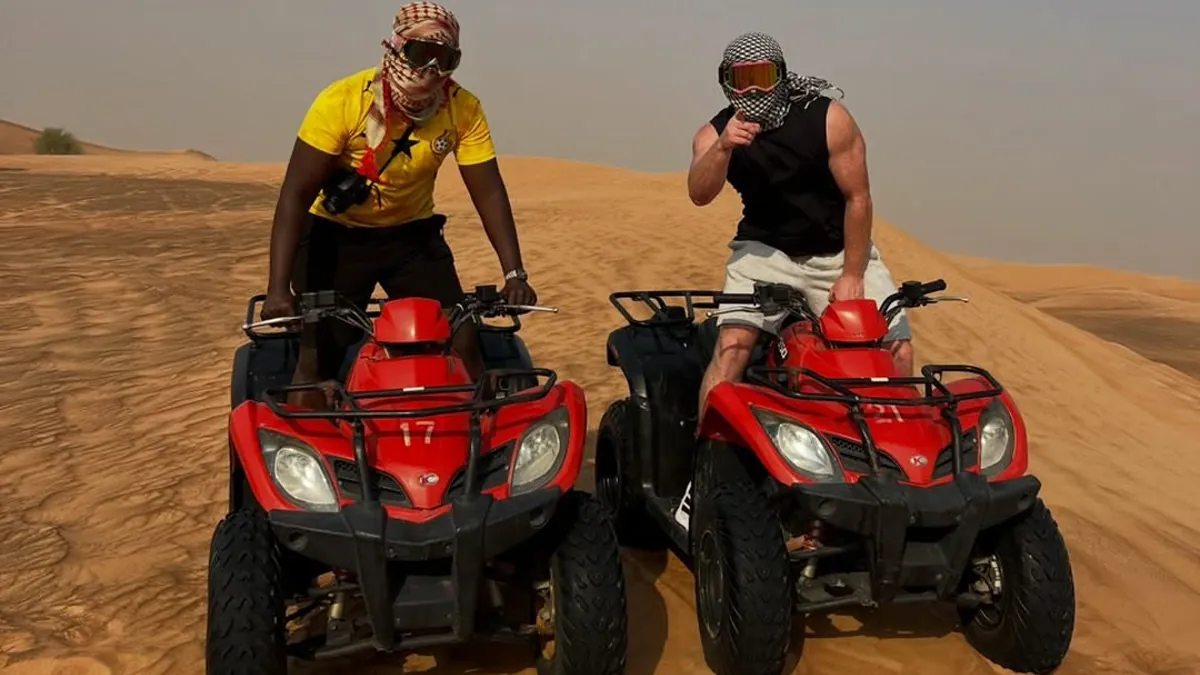
What most first-timers miss is that the headline price is rarely the final price. Standard inclusions cover transport, the core activities, and one meal, but several things cost extra. Quad biking and dune buggy rides are the biggest add-ons, usually AED 100 to AED 250 depending on engine size and duration. Alcohol is not included in the buffet and is sold separately at the camp bar. Professional photos, falcon handling, and shisha are also paid extras at most camps. If you want a window seat or a front-row spot for the show, arrive early rather than paying for an upgrade that may not exist.
For a clearer picture, here is how the main tiers compare at Sahara Dune Adventures:
| Package | Typical Price | Included | Common Add-Ons |
|---|---|---|---|
| Evening Safari | AED 89 | Pickup, dune bashing, camel ride, sandboarding, BBQ dinner, shows | Quad bike, alcohol, shisha |
| Morning Safari | AED 110 | Pickup, dune bashing, sandboarding, camel ride, breakfast | Quad bike, extended dune drive |
| Private Safari | AED 299 | Private 4x4, flexible timing, all core activities, dinner | VIP seating, photographer |
| Overnight Camping | AED 499 | Evening safari plus tent, sleeping bag, breakfast | Upgraded tent, extra meals |
One honest tip: ask what "dune bashing" means in your specific package before you book. Some operators count a ten-minute drive as the full experience, while others give you a proper 30 to 45 minutes across the red dunes. The Morning vs Evening vs VIP Safari comparison on the Sahara Dune Adventures site spells out the exact durations, which makes budgeting your time as important as budgeting your money.
Safety, Motion Sickness, and Physical Comfort
Dune bashing looks wild from the outside, but the safety setup is more controlled than most first-timers expect. Every vehicle used by Sahara Dune Adventures is a modified Toyota Land Cruiser or similar 4x4 with a full roll cage, and drivers go through desert-specific training before they take passengers into the dunes. Seatbelts are mandatory for every seat, and the driver checks them before the convoy leaves the tarmac. The lead vehicle sets the pace, and the convoy stays in radio contact the whole time, so if one vehicle has a problem the rest stop immediately.
Motion sickness is the most common comfort issue on a desert safari, and it catches people who are usually fine in cars. The constant pitching and rolling of dune bashing is different from normal driving, and sitting in the back row makes it worse. If you know you get queasy on winding roads, take a motion sickness tablet about 30 to 45 minutes before pickup, take the front passenger seat if you can, and keep your eyes on the horizon instead of your phone. Avoid a heavy meal right before the drive, and skip the coffee. Ginger chews or plain crackers help some people, but the medication is the most reliable option.
Children and older travelers can absolutely enjoy a desert safari, but the dune bashing portion is not for everyone. Most operators, including Sahara Dune Adventures, allow children but recommend the driver reduce the intensity when young kids are in the vehicle, and some families choose a private safari so the pace is set to their comfort level. Pregnant travelers and anyone with back, neck, or heart conditions should skip dune bashing entirely and join the camp directly, which is a standard option on most bookings. The camp portion is flat, shaded, and easy to move around, with seating available throughout the evening.
If the motion gets too much mid-drive, tell the driver. They can slow down, take a flatter route, or pull over for a break, and no decent guide will make you feel awkward about it. The goal is a fun evening, not an endurance test.
Booking a Dubai Desert Tour: How to Choose a Guide
Choosing the right operator shapes your whole desert safari experience. Start with hotel pickup. Most safaris in Dubai and Sharjah include it, but confirm the pickup window and whether your hotel sits inside the covered zone. A 4x4 that arrives on time, with a driver who introduces himself and checks seatbelts, tells you a lot about the day ahead.
Group size matters more than most first-timers realize. A shared safari in a six-seater Land Cruiser feels different from a private vehicle. Smaller groups mean less waiting at each activity and more time on the dunes. If you want a first time desert safari without the crowd, ask whether the operator caps group size or offers a private option. Sahara Dune Adventures runs private and shared trips, so you can pick the pace that suits you.
Vehicle type is the next filter. Dune bashing needs a proper 4x4 with roll protection, not a standard SUV. Ask if the driver is licensed for desert driving. A good dubai desert tour guide will explain the route, point out landmarks, and stop for photos without being asked. Reviews help here. Look for recent comments about driver skill, pickup punctuality, and whether the camp matched the photos.
Check what the price actually includes. Some listings advertise a low rate, then charge extra for quad biking, sandboarding, or even water at camp. A clear breakdown of desert safari activities and inclusions saves you from awkward surprises. Compare the Private Desert Safari Dubai | AED 299 with the shared Evening Desert Safari Dubai | AED 89 to see how inclusions shift with price.
Finally, trust how the company communicates. Fast, clear answers about pickup times, dietary needs, and cancellation policies are a strong signal. Sahara Dune Adventures lists its packages with fixed prices and hotel pickup, which makes the booking step straightforward. A little research before you pay turns a generic outing into a dubai desert safari experience you'll actually remember.
Frequently Asked Questions
Is dune bashing safe for children?
Most operators set a minimum age of 3 to 5 years for dune bashing, and some require children to sit in a booster seat. The ride is bumpy, so parents should judge their child's comfort with motion. Sahara Dune Adventures can arrange a gentler route if you mention young kids when booking.
What if I get motion sickness during the safari?
Take the front passenger seat, keep your eyes on the horizon, and avoid heavy meals before pickup. Bring motion sickness tablets and take one 30 minutes before the dunes. Drivers usually carry sick bags, and you can ask for a short break between dune runs.
Do I need to tip the driver or camp staff?
Tipping is optional but appreciated. A common range is AED 20 to 50 for the driver and AED 10 to 20 for camp staff, depending on service. Carry small notes because card tips are not always possible at the camp.
Can I book a desert safari on the same day?
Yes, most operators accept same-day bookings until early afternoon, especially for evening safaris. Morning slots fill faster. Sahara Dune Adventures recommends booking a day ahead during peak season from November to March, when hotel pickup schedules get tight.
Is a desert safari worth the price?
For most first-time visitors, yes. A standard evening safari bundles transport, dune bashing, camel riding, sandboarding, dinner, and live shows for roughly AED 89 to 150 per person. Compare that with separate taxi fares and activity fees, and the package usually wins on convenience and value.
What happens if the weather is bad?
Desert safaris run in almost all weather, but heavy rain or sandstorms can cancel dune bashing. Operators typically reschedule or refund that portion. Fog rarely affects evening safaris, though morning pickup times may shift slightly in winter.