What to Wear on Desert Safari Dubai: Essential Guide
Knowing what to wear on desert safari dubai makes the difference between a comfortable afternoon and a gritty, sunburned struggle. The dunes shift from blazing heat to cool breezes fast, and loose sand finds every gap in your outfit. A few smart choices with fabric, footwear, and layers keep you comfortable from pickup to sunset. Here is what matters most.
Key Takeaways
- Loose, breathable fabrics like cotton and linen beat tight synthetics in the heat.
- Closed shoes or sturdy sandals protect your feet from hot sand and sharp dune grass.
- Bring a light layer even in summer because desert evenings cool down quickly.
- Skip heavy jewelry and dark colors that absorb the midday sun.
- Pack a scarf or shemagh to shield your face and neck from blowing sand.
Why Your Outfit Changes Everything in the Dunes
The desert looks calm from the hotel window, but out on the red dunes it's a different story. Sand gets into everything. The sun reflects off the ground and hits you from below as well as above. And once the quad bike stops, the temperature can drop fast enough that you'll wish you'd brought a second layer. Your clothing choices decide whether you spend the day comfortable or counting the minutes until the pickup van arrives.
Guests who book with Sahara Dune Adventures quickly learn that the right outfit does three jobs at once. It blocks the sun without trapping heat. It keeps sand out of your shoes, your ears, and your camera bag. And it lets you move freely when you're climbing a dune for a photo or hopping into a dune buggy for the next activity. A tight pair of jeans does none of those things. Loose linen trousers and a long-sleeved cotton shirt do all three.
Activity level matters more than most first-time visitors expect. A morning safari with dune bashing and quad biking is physical. You'll be gripping handlebars, bracing against bumps, and stepping in and out of vehicles. Clothes that bind at the knees or ride up at the waist become a distraction within the first hour. An evening safari is gentler on the body but harder on the wardrobe, because you start in afternoon heat and finish under a cool desert sky. The overnight camping option pushes that further, with temperatures that can feel twenty degrees colder than your hotel room.
Sand is the quiet problem nobody plans for. It's in the air after every vehicle passes, it's in the folds of your scarf, and it works its way into any shoe with an open toe. Closed shoes with a snug fit solve most of it. A scarf or buff that you can pull over your nose and mouth solves the rest, especially during the faster stretches of the drive out to camp.
So the outfit isn't a fashion decision. It's the difference between a safari you remember for the photos and one you remember for the chafing, the sunburn, and the sand in places you'd rather not mention.
The Dubai Desert Dress Code: What Actually Works
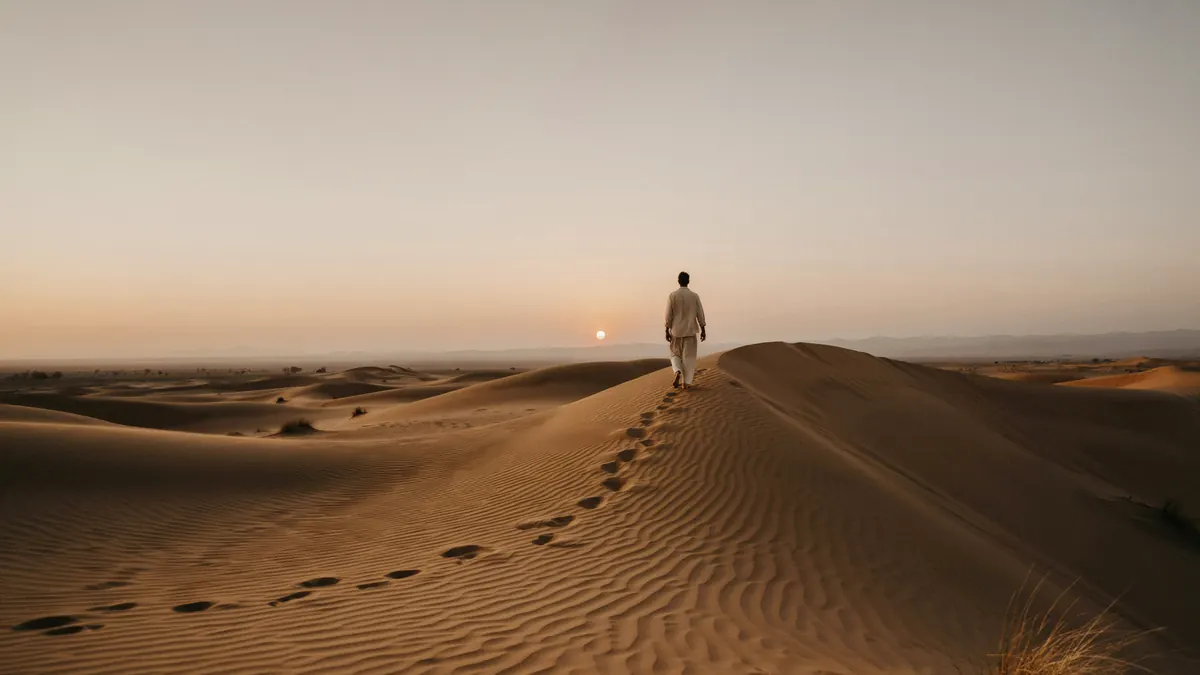
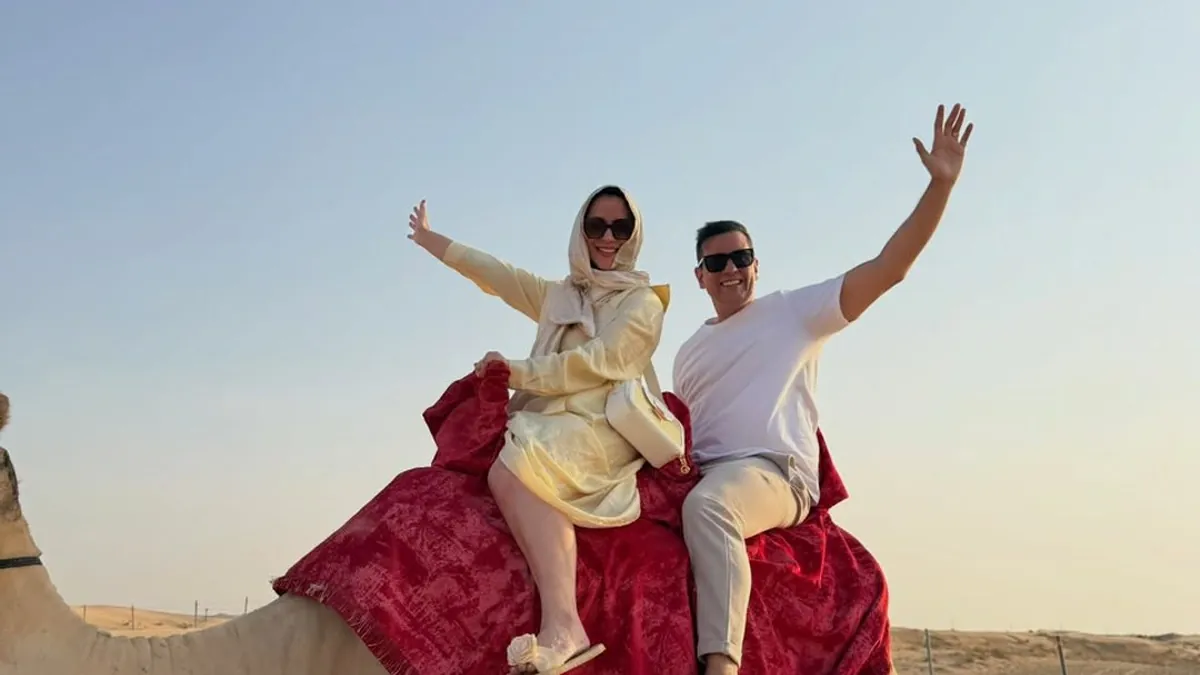
The dubai desert dress code is less about strict rules and more about respecting local culture while staying comfortable in the sand. Dubai is a modern city, but it sits inside a conservative region. Tourists are welcome and nobody expects you to wear traditional clothing, yet covering your shoulders and knees in public areas is a simple courtesy that makes the whole experience smoother. On a safari, that translates to loose, breathable layers that keep you cool without drawing attention.
For women, the most practical desert safari clothing is a long, flowy maxi dress or wide-leg linen trousers paired with a light cotton top that covers the shoulders. A thin scarf or pashmina is useful for two reasons: it shields your neck from the sun and it can cover your hair or shoulders if you stop at a mosque or a more traditional area. Men do well in lightweight chinos or knee-length shorts with a breathable t-shirt or short-sleeved linen shirt. Avoid anything skin-tight, not just for cultural reasons but because tight fabric traps heat and rubs against sandy skin.
One thing most first-timers don't realize is how much the sand gets everywhere. A flowing outfit that looks elegant in photos also lets air circulate and keeps sand from sticking to sweat. Dark colors absorb heat, so light neutrals like beige, white, and soft pastels are the smart choice. And because the temperature drops quickly after sunset, carrying a light jacket or hoodie in your bag means you won't shiver through the evening barbecue and stargazing.
What actually works is simple: modest coverage, loose fit, light colors, and one extra layer for after dark. That combination respects the local culture and keeps you comfortable from the first dune bash to the last cup of karak tea.
Fabrics That Beat the Heat and the Sand
Choosing the right fabric matters more than the color or the cut. The desert pushes your clothes through two tests at once: direct sun that bakes exposed skin, and fine sand that finds its way into every seam. Breathable, quick-drying materials handle both without making you feel wrapped in plastic.
Cotton is the classic starting point for what to wear in desert conditions. A loose cotton shirt lets air move against your skin and soaks up sweat without clinging. Linen works even better in high heat because it dries fast and hangs away from the body. The trade-off: both wrinkle easily, and thin cotton can feel damp after a long dune bashing session.
Moisture-wicking synthetics, the kind sold for hiking and running, are the strongest all-round choice. Polyester blends and nylon pull sweat off your skin and dry in minutes, which keeps you cooler once the sun drops and the evening breeze picks up. They also shed sand more easily than woven cotton. A simple polyester t-shirt under a loose cotton overshirt gives you the best of both.
What to avoid: denim and heavy polyester. Denim absorbs heat, traps moisture, and turns stiff and abrasive once sand works into the weave. Heavy polyester does not breathe, so you end up sweating inside a personal sauna. Neither dries quickly, and both chafe after an hour of quad biking or dune walking.
For bottoms, lightweight cotton or linen trousers beat shorts in most cases. They protect your legs from hot sand and sunburn while still letting air circulate. If you prefer shorts, choose a quick-dry synthetic pair and keep them loose, not tight. Tight anything, regardless of fabric, traps heat and makes sand rub against your skin.
One practical tip from our guides at Sahara Dune Adventures: bring one spare shirt in your bag. After an afternoon of dune bashing, a dry shirt feels better than any air conditioning. The spare also helps if you stay for the evening barbecue and the temperature drops.
Footwear: Sandals, Sneakers, or Boots?
Closed-toe shoes win for dune bashing. Sandals win for walking on soft sand. Since most desert safari tours in Dubai mix both, the smart answer is a pair of lightweight sneakers or trail shoes you can slip off when you step onto the dunes.
During the 4x4 ride, your feet stay inside the vehicle, but the floor can get hot and sand blows in through open windows. Sandals leave your toes exposed to that heat and to the occasional bump against the door frame. Sneakers with a breathable mesh upper protect your feet without trapping sweat. Avoid heavy leather boots unless you are doing overnight camping where ankle support matters more.
Once you are out on the sand, barefoot feels better than any shoe. The sand shifts under your weight, and shoes just fill with grit. Most people kick off their sneakers for photos and short walks, then put them back on for the camp area, where the ground is packed harder and sometimes scattered with small stones.
Skip flip-flops entirely. They fly off on the first dune and offer zero protection. If you insist on sandals, pick a sport style with a back strap, not a slide.
| Footwear | Best for | Watch out |
|---|---|---|
| Breathable sneakers | Dune bashing, camp, mixed terrain | Sand gets inside; empty them before the ride back |
| Trail shoes | Overnight camping, rocky patches | Slightly warmer than mesh sneakers |
| Sport sandals with back strap | Short walks, easy on-off | Toes still exposed to hot sand |
| Flip-flops | Not recommended | No grip, no protection, fall off easily |
| Barefoot | Soft dune walking, photos | Sand can be very hot in summer afternoons |
One practical tip from our Morning vs Evening vs VIP Safari team: bring a small plastic bag for your shoes. When you take them off on the dunes, drop them in the bag so sand does not fill every seam. You will be glad you did on the drive back to the hotel.
Layering for Morning, Evening, and Overnight Safaris
Dubai's desert temperature swings are real. A morning safari can start at a comfortable 24°C, climb past 38°C by early afternoon, then drop to 18°C or lower once the sun sets. That range means a single outfit rarely works all day. The fix is simple: start with a light base layer, carry one warm mid layer, and keep a windbreaker or light jacket in your bag until dusk.
For a Morning Desert Safari Dubai | AED 110, you can keep layering minimal. A breathable t-shirt or loose cotton top over light trousers is usually enough, because you'll be back at your hotel before the midday heat peaks. Still, bring a thin long-sleeve shirt. Sand kicks up fast during dune bashing, and a light cover keeps your arms clean and cool.
Evening safaris are where layering earns its keep. The Evening Desert Safari Dubai | AED 89 starts in late afternoon heat, so you'll want that same light base. But by the time dinner is served at camp, the temperature has often dropped ten degrees or more. A soft fleece or cotton hoodie over your daytime top is the easiest desert safari outfit idea that actually works. If you're staying for the fire show and stargazing, add a light windbreaker on top.
Overnight campers need the full system. Pack a warm mid layer, a windproof outer layer, and a pair of long trousers you can pull over shorts. Desert nights in winter can dip to 10°C, and sleeping bags at camp are not always enough. A beanie and thick socks take up almost no space and make a real difference after midnight.
One rule for every safari type: keep your warm layer in a small backpack, not in the car. You'll want it at camp, not back at the pickup point.
What to Wear for Different Safari Types
The right outfit shifts depending on how you plan to spend your hours in the sand. A morning quad bike session needs different gear than an overnight camp under the stars, and knowing the difference saves you from sweating through the wrong layers or shivering after sunset.
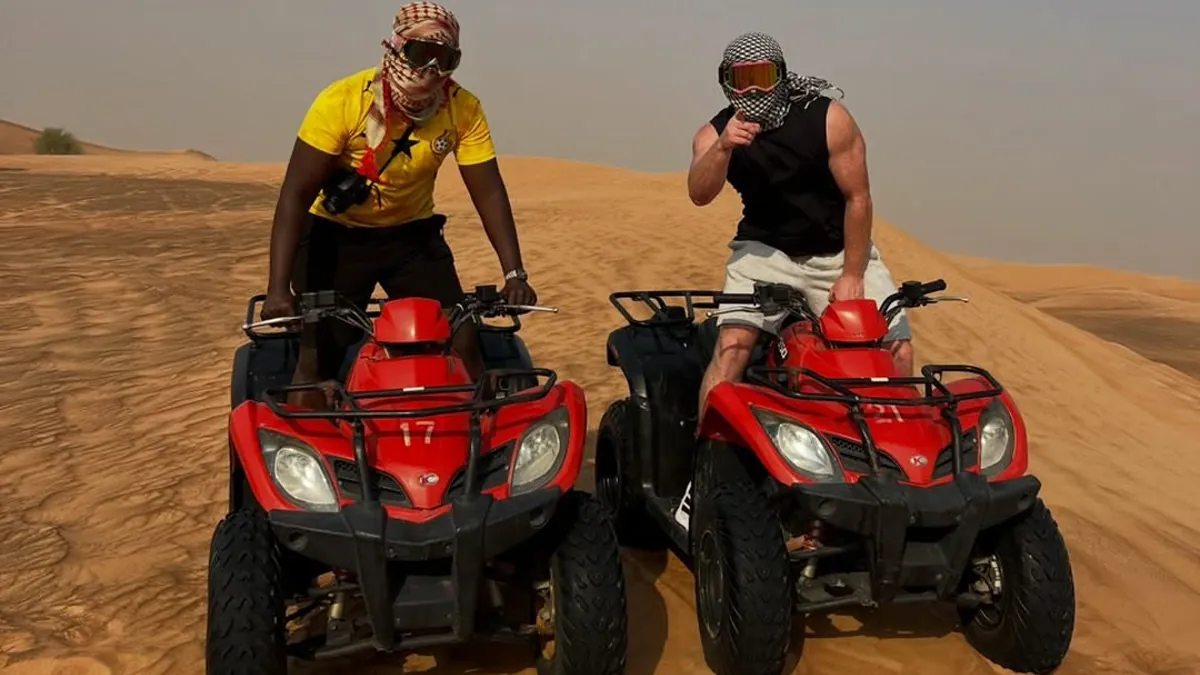
For ATV quad biking, think fitted and functional. Loose sleeves can catch on handlebars, and flowing scarves become a hazard at speed. Choose long pants, a tucked-in or close-fitting top, and closed shoes with grip. A lightweight long-sleeve layer keeps sun and kicked-up sand off your arms.
Dune buggy rides are dustier and faster. Goggles or wraparound sunglasses matter more here than on a quad, and a neck gaiter you can pull up over your nose makes a real difference when the wind picks up. Stick with the same fitted base layers, and skip anything with fringe, tassels, or long drawstrings that can whip around in the open cockpit.
VIP safaris lean more relaxed. You'll spend time in a climate-controlled vehicle, at a set dinner table, and on gentle photo stops, so the VIP Red Dune Safari Dubai | AED 150 gives you room to dress a little smarter. Linen trousers, a neat blouse or collared shirt, and clean closed shoes work well. Keep a light jacket handy for the air-conditioned ride back, and bring a scarf you can drape for photos without it becoming a practical nuisance.
Overnight camping changes the calculation completely. The Overnight Desert Camping Dubai | AED 499 means you'll be outside from late afternoon through a cold desert night and into the next morning. Pack a warm mid-layer, a beanie, and thick socks even in summer, because desert temperatures drop fast after dark. A change of clothes for sleeping beats wearing your dusty day outfit into the tent, and a small headlamp leaves both hands free for camp tasks.
If you're weighing a more exclusive experience, the Private Desert Safari Dubai | AED 299 lets you set your own pace, which also means you can build outfit changes into the itinerary. Bring a day outfit for activities and a clean, warm set for the evening meal, and you'll be comfortable from first dune to final campfire.
Seasonal Adjustments: Summer vs Winter in Dubai
Dubai's desert doesn't do mild. From June through September, daytime temperatures regularly sit between 40°C and 45°C, and the sand holds that heat well after sunset. From December to February, nights can drop to 10°C or lower, especially once you're away from the city's concrete. Your outfit has to work for both ends of that range, sometimes on the same day.
In summer, the goal is simple: cover skin without trapping heat. Loose cotton or linen shirts with long sleeves beat tank tops every time, because direct sun on bare arms drains you faster than any fabric will. Light colours matter more than most people expect. A white or pale beige shirt reflects heat, while black absorbs it and can feel ten degrees hotter by mid-afternoon. Swap jeans for wide-leg cotton trousers or a long skirt. And skip anything with a tight waistband, because sitting in a 4x4 for an hour with a constricting belt is miserable at 42°C.
Winter flips the priority. The sun is still strong during the day, so you'll want a light layer you can peel off. But the moment the sun drops, the temperature falls fast. A fleece or softshell jacket over your daytime shirt is usually enough for an evening safari, and if you're booked on an overnight camp, add a beanie and warm socks. Many guests are surprised by how cold a desert night feels after a hot afternoon.
One of the most useful Evening Desert Safari Dubai | AED 89 dubai desert safari tips is to carry one extra layer regardless of the season. In summer it's a thin cotton scarf for shade and dust. In winter it's a packable fleece. Both weigh almost nothing and solve most comfort problems before they start. Check the forecast the morning of your booking, but assume the desert will be a few degrees hotter than the city by day and a few degrees colder at night.
Accessories That Make a Real Difference
Clothing does most of the work, but the right extras turn a good outfit into a comfortable one. Sunglasses are non-negotiable. Sand reflects glare far more than pavement does, and squinting for hours leaves you tired before the dune bashing even starts. Pick a pair with full UV400 protection and a snug fit, because loose frames slide off the moment you lean into a turn on a quad bike.
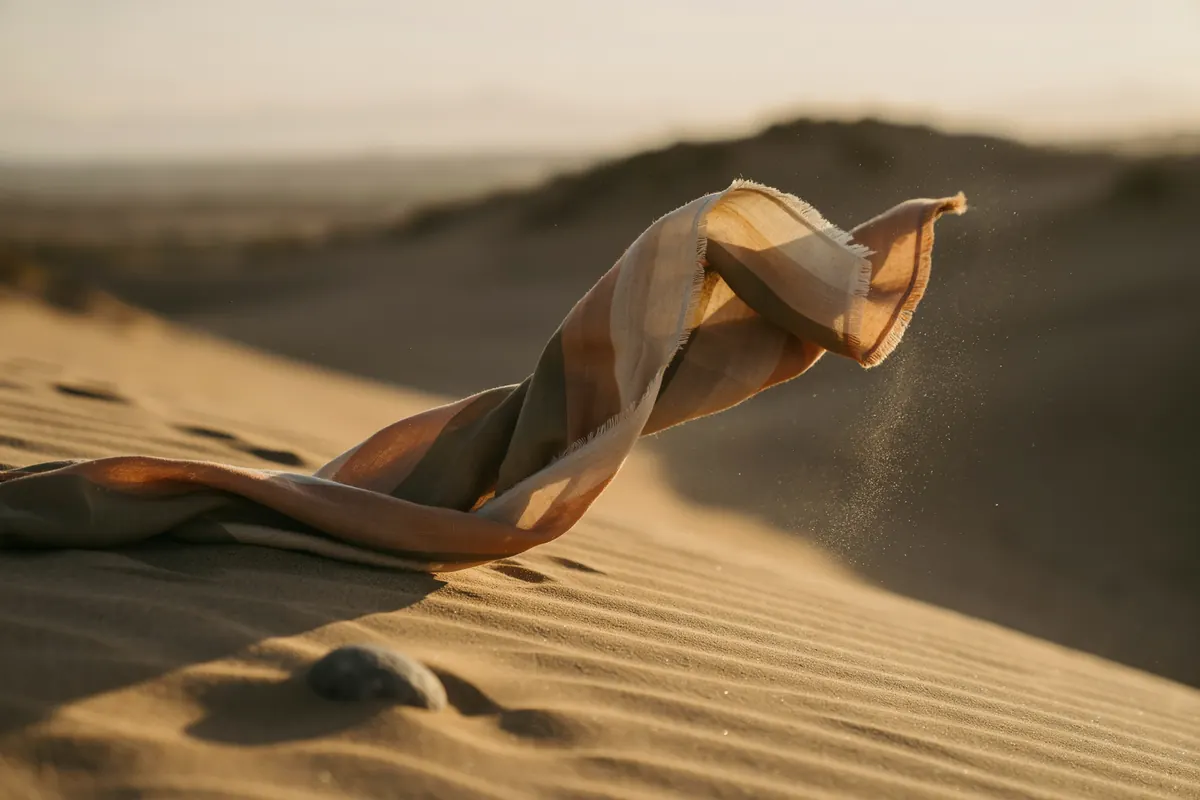
A shemagh or light scarf earns its place in any desert safari outfit ideas list. Wrap it loosely around your neck and pull it over your nose and mouth when the wind kicks up. It blocks fine sand from your airways and keeps your face from feeling sandblasted after a long ride. Cotton works better than synthetic blends here, since it breathes and dries quickly.
Hats deserve more thought than most visitors give them. A wide-brimmed hat shades your ears and the back of your neck, two spots sunscreen often misses. Baseball caps cover the face but leave the neck exposed, so if you prefer one, pair it with a scarf draped over the back. Whatever you choose, make sure it fits under a helmet if your safari includes ATV riding.
Sunscreen is the one item you should reapply, not just apply. Use SPF 50 or higher, and reapply every two hours, more often if you are sweating. The dry desert air makes you forget you are burning, because you do not feel as hot as you would in humid weather. That is exactly when sunburn sneaks up on you.
A small backpack keeps everything reachable without weighing you down. Look for one around 15 to 20 liters with a zippered pocket for your phone, because sand finds every opening. Keep a refillable water bottle, your sunscreen, and a light layer inside. Avoid anything with mesh panels, since sand works its way into the weave and never fully comes out.
What to Avoid Wearing on a Desert Safari
Knowing what to wear on desert safari dubai matters, but knowing what to leave in the hotel room matters just as much. A few wrong choices can turn a fun afternoon into a long, uncomfortable one.
Tight jeans are the first thing to skip. Denim holds heat, restricts movement when you climb into a dune buggy, and chafes badly once sand gets inside. Loose linen or cotton trousers let air move and shake sand off easily. Dark heavy fabrics cause the same problem. Black absorbs the sun and makes you sweat faster than you need to.
Open-toe heels are a genuine hazard. Stilettos sink into soft sand, and even wedge heels wobble on uneven ground. If you want height, a flat espadrille with a covered toe works far better. Excessive jewelry is another common mistake. Rings and bracelets trap sand against your skin, and necklaces can snag on seatbelts or harnesses during quad biking. Keep it to one simple watch and maybe a small pair of studs.
White clothing shows every grain of sand and every splash of camel dust. By the end of the ride, it looks grey. Earth tones like khaki, olive, or rust hide the mess and photograph well against the dunes. Skip anything silk or satin too. Those fabrics cling when you sweat and pick up static from the dry air.
One more thing: leave the heavy perfume at home. Strong scents attract insects around the camp at night. A light sunscreen is all you need.
Packing Checklist for Your Safari Day
You don't need a big bag for a desert safari. Most trips last four to six hours, and the vehicle does the heavy lifting. But a few small items make the difference between comfortable and miserable. Here's what to pack, based on what to wear on desert safari dubai and what you'll actually use once you're out on the sand.
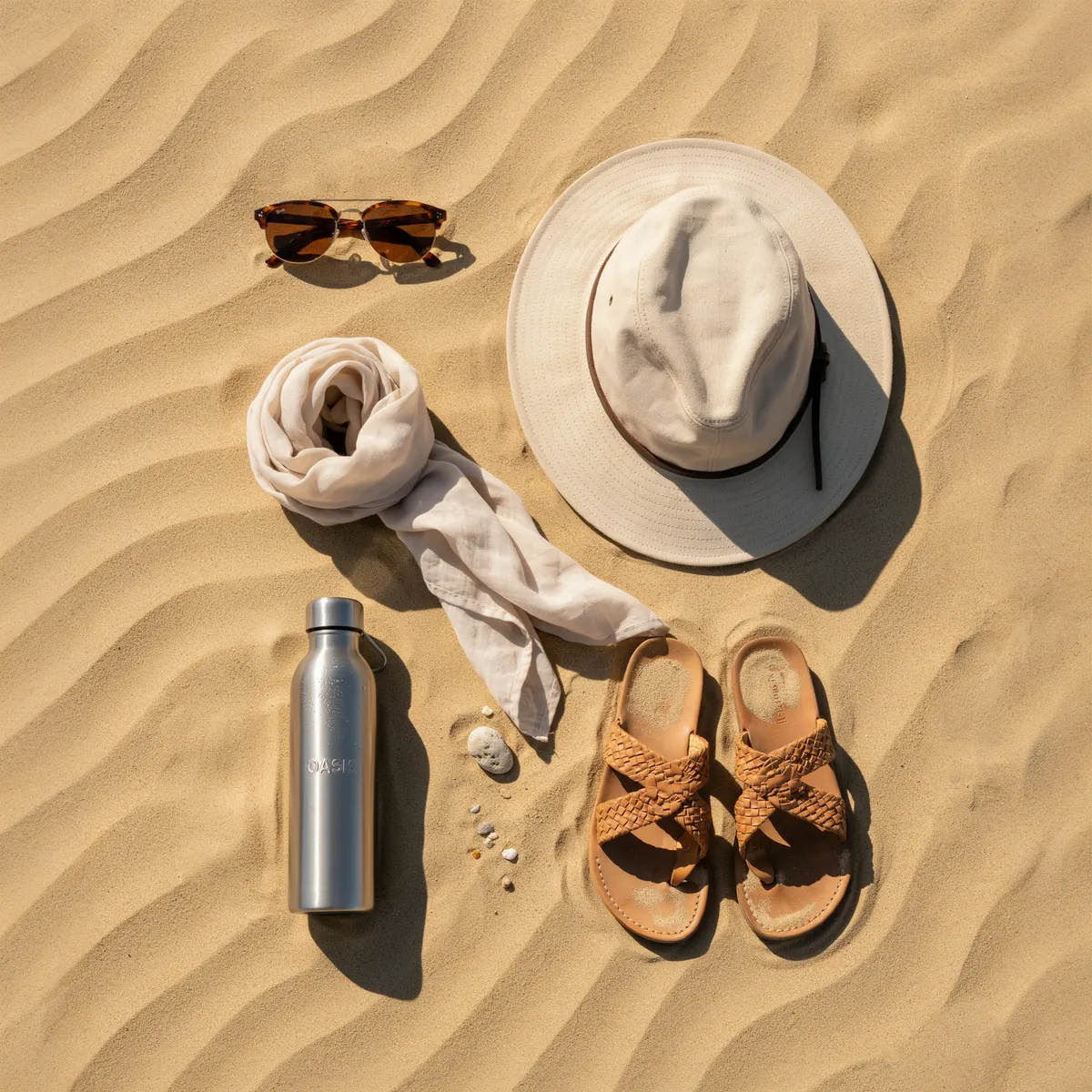
- Light scarf or shemagh, covers your neck and face when the wind picks up. Cotton works fine.
- Sunglasses, polarized lenses cut the glare off pale sand. Cheap ones scratch fast.
- Sunscreen, SPF 30 or higher, reapply after two hours, even in winter.
- Lip balm with SPF, lips burn and crack faster than skin.
- Refillable water bottle, most safari operators provide water, but having your own means you drink more.
- Light jacket or hoodie, evenings cool down quickly, especially from November to March.
- Power bank and phone cable, you'll take more photos than you expect.
- Small dry bag or zip-lock pouch, keeps sand out of your phone, wallet, and passport.
- Wet wipes, sand sticks to sunscreen and sweat; wipes get it off your hands before you eat.
- Cash in small notes, for tips or a cold drink at the camp.
Leave the heavy camera bag at home unless you're a serious photographer. A phone with a clean lens does the job for most people. And skip the jewelry: rings and bracelets trap sand against your skin and can scratch camera screens. If you're joining a Evening Desert Safari Dubai | AED 89, add a warmer layer, because the temperature drop after sunset is real. Pack light, pack smart, and keep your hands free for the dune bashing.
How Sahara Dune Adventures Helps You Prepare
Once you know what to wear on desert safari dubai, the next step is matching your outfit to the actual itinerary. Sahara Dune Adventures makes that easy because every booking includes hotel pickup and a clear schedule, so you always know whether you'll be in the dunes at noon or under the stars at midnight. That detail matters more than most visitors expect. A morning guest needs sun protection and closed shoes for quad biking, while an overnight camper needs a warm layer for the temperature drop after dark.
The team at Sahara Dune Adventures runs guided activities across Dubai and Sharjah, including ATV quad biking, dune buggy rides, VIP safaris, and overnight camping. Because the guides brief every group before the vehicles start, you get a final chance to adjust your desert safari clothing before the sand kicks up. If you booked a Desert Safari Dubai | ATV, Buggy & VIP package, the pickup window also tells you how much layering you need for the ride back to your hotel.
A practical approach is to plan your dubai desert safari tips around the pickup time. For a morning safari, wear light fabrics and keep a scarf in your bag. For an evening or overnight trip, bring a jacket even if the daytime forecast looks hot, because the desert cools quickly once the sun sets. The guides can store small bags in the vehicle, so you won't have to carry everything through the dunes.
Most guests find that the right outfit removes the friction from the whole experience. You focus on the dune bashing and the sunset photos instead of adjusting a slipping headscarf or shaking sand out of open shoes. Sahara Dune Adventures handles the logistics, and your clothing handles the comfort.
Frequently Asked Questions
Can I wear shorts on a desert safari in Dubai?
Yes, shorts work fine for daytime dune bashing and quad biking, especially in summer. Choose loose, knee-length styles in breathable fabric. For evening safaris or overnight camping, pack light trousers because temperatures drop fast after sunset and sand gets chilly.
Do I need closed-toe shoes for the desert?
Closed-toe shoes are the safer choice for dune bashing and walking on hot sand. Sneakers with good grip handle soft dunes better than sandals. If you prefer sandals, pick sturdy sport styles with ankle straps, and keep a pair of socks handy for cooler evenings.
What colors are best for desert safari clothing?
Light colors like white, beige, and khaki reflect heat and keep you cooler during the day. Avoid black and dark shades that absorb sunlight. Earth tones also hide sand and dust better, which matters after a few hours of dune bashing and quad biking.
Is a scarf or shemagh really necessary?
A lightweight scarf or shemagh is genuinely useful. It shields your face and neck from blowing sand, works as a head cover in strong sun, and doubles as a light wrap when the evening cools down. Many guests at Sahara Dune Adventures bring one for comfort.
What should I wear for an overnight desert camping trip?
Pack a warm layer like a fleece or light jacket, full-length trousers, and closed shoes. Desert nights get cold even after hot days. A beanie and socks help too. This same advice applies when you plan what to wear on desert safari dubai with overnight camping included.